navigating your first camping trip with the perfect tent choice
Embarking on your first camping trip in 2026 is an exhilarating adventure. Choosing the right tent lays the foundation for a fun and comfortable experience in the great outdoors. With a plethora of options available, it can feel overwhelming. However, understanding the key components of tent selection can simplify the process and ensure you enjoy your camping getaway.
Consider Your Group Size
The first step in selecting the perfect tent is to consider how many people will be camping with you. Tents are usually labelled with the number of occupants they can accommodate. If you plan to camp with four friends, a four-person tent may seem sufficient. However, remember that tents can feel cramped when packed with gear. Opt for a larger tent to ensure everyone has enough space to move and relax comfortably. A good rule of thumb is to add an extra person to your group size when determining the tent size you need.
Understanding Tent Types
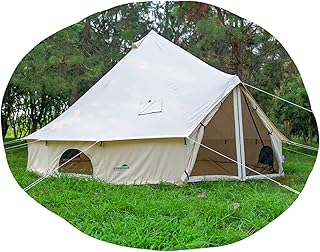
Tents come in various shapes and styles, each designed for different environments and purposes. Dome tents are popular for their stability and easy setup, making them ideal for beginners. They perform well in varied weather conditions, which is essential for unpredictable UK weather. On the other hand, backpacking tents are lightweight and compact, perfect for hiking trips but may sacrifice space and comfort. For family trips, consider a cabin tent, which offers vertical walls for more livable space. Understanding the differences can help you choose a tent that meets your specific camping needs.
People Also Look For:
- Trail Hartland XL 6 Man 2 Room Tent with Living Area, 3000mm HH Waterproof Rated, 2 Darkened Bedrooms, Easy Pitch Family Camping T...
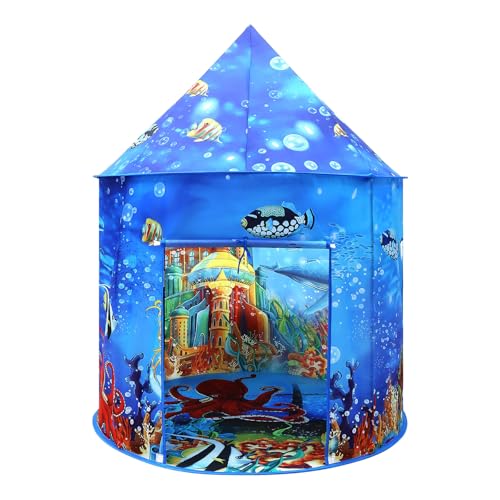
- Crystals Kids Pop Up Play Tent – Princess Castle Playhouse for Children | Sensory Tents for Children | Barbie Kid Tent | Foldabl...
- Portable Ac Unit - 3-Speed Bed Air Conditioner with Light | Evaporative Cooler Wireless Speaker 1L Water Tank with Humidifier for ...
- Vango Orion 200 2 Man Tunnel Tent, 5000mm HH with Alloy Poles, Lightweight, Camping, Climbing, Backpacking, Trekking
- Lifeswell 12 Inch Ground Anchors, 8 Pcs Heavy Duty Tent Stakes, Easy to Install and Reusable, for Camping Tents, Trampolines, Shed...
Weather Resistance and Materials
One of the most critical factors in tent selection is weather resistance. Look for a tent made from waterproof materials, often indicated by a Hydrostatic Head rating. A tent with a rating of 2000mm or higher is generally good for rainy conditions. Additionally, consider the tent's seams; taped seams will offer better waterproofing than untreated ones. The material used for the tent body is equally important. Nylon and polyester are common for their durability and weight. If you anticipate camping in colder conditions, look for a tent with a good insulation layer or a footprint to keep the cold ground at bay.
Ease of Setup
For first-time campers, the ease of setup can make or break your experience. A tent that promises quick pitch and simple instructions can save you a lot of frustration. Look for features like colour-coded poles and easy-to-follow guides that can be set up in minutes, even in the dark. Pop-up tents are also an excellent option for beginners, as they can be set up instantly with minimal effort. Practising your tent setup in your garden before heading out can boost your confidence for the real camping trip.
Weight and Portability
If you plan to drive to your camping destination, weight may not be as significant a concern. However, if you intend to hike to your site, a lightweight tent will be essential. Consider the packed size of the tent and how easily it fits into your backpack. Most manufacturers provide specifications on weight and dimensions, so be sure to check these before making your purchase. A good backpacking tent will generally weigh between 1.5 to 3 kilograms, allowing for comfortable transport.
Budget Considerations
Finally, set a budget before you start shopping for your tent. Prices can range from 50 to over 500, depending on the features and quality. While it may be tempting to go for the cheapest option, investing in a reliable tent can pay off in the long run. Consider it a long-term investment in many future camping trips. Explore local camping shops and online retailers to compare options and read reviews to find the best value for your budget.