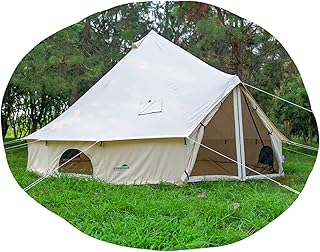
Insider Tips for Choosing Tents for Rainy Weather
As we navigate through 2026, camping continues to be a popular outdoor activity, and with that comes the challenge of dealing with unpredictable weather. Rainy conditions can turn a delightful camping trip into a soggy ordeal if you are not prepared. Choosing the right tent is crucial for ensuring comfort and safety during inclement weather. This article provides invaluable insider tips for selecting tents that are best suited for rainy weather, helping you make an informed decision.
Understanding Tent Materials
In 2026, the materials used in tent construction play a significant role in their performance during rainy weather. Modern tents are typically made from synthetic fabrics such as polyester or nylon, which offer excellent waterproofing capabilities. When shopping for a tent, look for those with a high hydrostatic head rating, which indicates how much water pressure the fabric can withstand before leaking.
Additionally, consider tents with a waterproof coating. Many tents come equipped with polyurethane or silicone coatings that enhance their water resistance. For instance, a tent with a 3000mm waterproof rating can handle moderate rain, while those rated above 5000mm are suitable for heavy downpours. Always check the specifications to ensure the tent meets your needs.
Seams and Construction Quality
Another critical factor to consider is the quality of the seams in the tent. In 2026, many manufacturers employ techniques such as heat sealing or taping to reinforce seams, making them waterproof. Tents with poorly constructed seams are prone to leaks, especially during heavy rain. Inspect the tent for double-stitched seams, as these are generally stronger and more reliable.
Furthermore, evaluate the overall construction quality. Look for tents that feature a robust frame made from lightweight yet durable materials such as aluminum or fiberglass. A well-constructed tent not only withstands the elements but also offers better stability in windy conditions.
People Also Look For:
- YAYODS 8PCS Rebar Stakes, 12Inch Heavy Duty Galvanized Tent Pegs, U Shaped Metal Garden Stakes Trampoline Pegs, Extra Long Ground ...
- Tent Hexagonal 6 Man Festival Dome Tent, 6 Person Family Camping Tents with 360° Panoramic View, 4 Season Luxury Double Layer Lar...
- Berghaus Adhara 500 Nightfall 5 Man Tent with Darkened Bedrooms & Spacious Living Area, 5 Person, Easy to Pitch, Tunnel Design, Id...
- Room Air Conditioner,3-Speed Desktop Air Cooler with Light | Evaporative Cooler Wireless Speaker 1L Water Tank with Humidifier for...
- 4Pcs Ground Anchors Heavy Duty - 15" Earth Anchor Tent Peg, Spiral Trampoline Anchors with 2 Straps, Steel Ground Stakes Anchor fo...
Design Features for Rainy Weather
When choosing a tent for rainy conditions, design features can significantly impact your camping experience. One essential feature is a rainfly, which is an additional layer that covers the tent and helps divert rainwater away from the tent body. In 2026, many tents come with a rainfly included, but it is crucial to ensure that it fits properly and extends to the ground to prevent water from pooling.
Another design consideration is the tent's vestibule area. A vestibule provides additional space for storing gear, preventing it from getting wet. Look for tents that have a large vestibule or multiple entrances, allowing you to enter and exit without exposing the interior to rain.
Ventilation and Condensation Control
While it is essential to keep rain out, proper ventilation is equally important to minimize condensation inside the tent. In 2026, tents are increasingly designed with multiple vents that allow air circulation while keeping water out. This feature helps reduce moisture buildup, which can lead to a damp and uncomfortable sleeping environment.
When selecting a tent, consider options that include mesh panels for ventilation. These panels can help create airflow while still providing protection from rain. Moreover, look for tents that can accommodate additional ventilation accessories such as awnings or removable panels.
Size Considerations
The size of the tent is another aspect that requires careful consideration, especially in rainy weather. A tent that is too small can feel cramped and uncomfortable, while an overly large tent may be cumbersome to set up and less stable in windy conditions. In 2026, it is advisable to choose a tent that comfortably fits the number of occupants, plus additional space for gear.
For groups, consider a tent with a higher capacity rating than the actual number of campers. This extra space can serve as a dry area for gear, reducing clutter and moisture inside the sleeping area. Additionally, think about the height of the tent; taller tents provide more headroom, making it easier to move around during inclement weather.
Budgeting for Quality Tents
Budget is always a factor when choosing a tent, but it should not compromise quality, especially for rainy weather camping. In 2026, investing in a high-quality tent that features durable materials and reliable waterproofing can save you from having to replace it frequently. While budget options may be tempting, they often lack the performance and durability needed for adverse conditions.
- Determine your budget before shopping.
- Focus on brands known for quality and reliability.
- Check for warranties or guarantees that reflect the manufacturer's confidence in their product.
Researching online reviews can also provide insight into the experiences of other campers in similar conditions. Look for feedback specifically related to rain performance, as this will help you gauge how well a tent performs under wet conditions.
Real World Scenarios
Consider a scenario where you plan a weekend camping trip in a national park known for sudden rain showers. In 2026, being equipped with the right tent can make all the difference. Imagine setting up a tent with a robust waterproof rating and a well-designed rainfly, while your friends struggle with tents that lack adequate features. Your choice allows you to enjoy your camping experience without the constant worry of water seeping in.
Furthermore, if you are attending a music festival in the rain, a tent with a spacious vestibule can serve as a refuge during downpours, keeping your gear safe and dry while you enjoy the event. In this scenario, the right tent not only enhances comfort but also ensures that you have a more enjoyable experience.
As you prepare for your next outdoor adventure in 2026, remember these insider tips when selecting the perfect tent for rainy weather. The right materials, construction quality, design features, size, and budget considerations can significantly influence your overall camping experience. By making an informed decision, you can enjoy the great outdoors regardless of the weather conditions.