Expert Tips to Set Up Your Tent Like a Pro in 2026
Camping in 2026 offers a unique blend of adventure and technology, making it essential to know how to set up your tent efficiently. Whether you are a seasoned camper or a novice, understanding the nuances of tent setup can significantly enhance your outdoor experience. In this article, we will explore expert tips that will guide you through the process, ensuring you can pitch your tent like a professional every time.
Choosing the Right Location for Your Tent
In 2026, selecting the ideal location for your tent is more crucial than ever. Many campers overlook this aspect, leading to discomfort and complications during their stay. Begin by scouting your campsite for a flat area free of rocks, branches, and other debris. Ensure you are at least 200 feet away from water sources to protect the ecosystem and avoid flooding risks.
Consider the direction of the wind and the sun. Setting up your tent with the entrance facing away from the wind can prevent cold drafts from entering. Additionally, positioning your tent to take advantage of morning sunlight can help warm it up quickly, making your camping experience more pleasant.
Utilizing Technology for Site Selection
In this modern era, technology plays a vital role in outdoor activities. Use apps that provide detailed maps and information on campsites. Many of these tools include user reviews and photos, helping you find the perfect spot. For example, a camping app can show you the best locations based on your preferences, ensuring you make informed decisions.
Understanding Tent Components
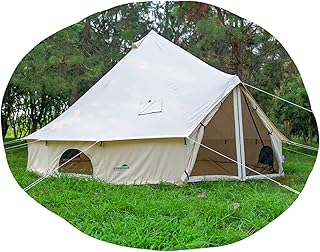
Before setting up your tent, familiarize yourself with its components. Most tents include the following parts: the tent body, rainfly, poles, and stakes. Knowing how each part functions will streamline the setup process. In 2026, many tents come with color-coded poles and clips, making assembly intuitive and efficient.
People Also Look For:
- Outsunny Double Layer Instant Pop Up Tent with Rainfly, Hexagon 4 Man Dome Tent, Portable Camping Shelter with Sewn-in Groundsheet...
- 4Pcs Ground Anchors Heavy Duty - 15" Earth Anchor Tent Peg, Spiral Trampoline Anchors with 2 Straps, Steel Ground Stakes Anchor fo...
- G&B Ground Rebar Stakes Garden Staples Tent Nails Galvanized Steel U Pegs Gardening Anchors, Heavy Duty Landscape Pins for Camping...
- Tent Hexagonal 6 Man Festival Dome Tent, 6 Person Family Camping Tents with 360° Panoramic View, 4 Season Luxury Double Layer Lar...
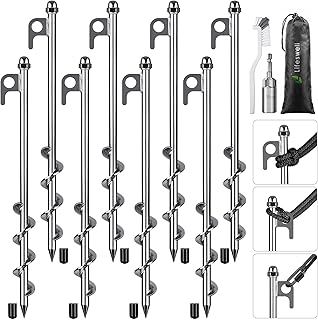
- Lifeswell 12 Inch Ground Anchors, 8 Pcs Heavy Duty Tent Stakes, Easy to Install and Reusable, for Camping Tents, Trampolines, Shed...
When unpacking your tent, lay out all components in a designated area. This practice minimizes confusion and speeds up the setup. For example, if you have a tent with a built-in vestibule, ensure that the rainfly is easily accessible to provide coverage for gear and footwear.
Inspecting Your Tent Before Use
Check your tent for any damage before heading out. Inspect the seams for any signs of wear and tear. In 2026, many manufacturers provide repair kits, making it easier to fix small issues on the go. Additionally, ensure that all zippers and poles are functioning correctly. An unnoticed tear or broken pole can turn a pleasant camping trip into a frustrating experience.
Step-by-Step Tent Setup Guide
Set up your tent following a systematic approach to ensure efficiency. Here’s a step-by-step guide that will help you achieve a professional setup.
- Lay out the footprint of your tent to mark the area.
- Assemble the poles according to the instructions.
- Insert the poles into the corresponding sleeves or clips on the tent body.
- Secure the tent with stakes, ensuring it remains taut.
- Add the rainfly for extra protection against the elements.
Each step is crucial for a successful setup. For example, when securing the tent with stakes, make sure they are driven into the ground at an angle. This technique enhances stability, especially in windy conditions.
Adjusting Your Tent for Comfort
After the initial setup, focus on maximizing comfort within your tent. Use a sleeping pad or air mattress for added insulation and comfort. In 2026, many campers opt for inflatable pads that are lightweight and easy to pack. Additionally, consider bringing along a portable fan if you are camping in warmer conditions or a heater for colder nights. These small adjustments can make a significant difference in your overall experience, allowing you to rest better.
Maintaining Your Tent During Your Trip
Proper maintenance during your camping trip is essential for the longevity of your tent. Ensure you keep the inside clean and free of food to avoid attracting wildlife. In 2026, many campers use portable vacuum cleaners designed for outdoor use to keep their tents tidy.
At night, secure your tent zippers and ensure that all windows are closed to prevent dew and insects from entering. If you experience rain, check the seams and fabric periodically to ensure they remain watertight. Carrying a small repair kit can help address any issues that arise during your trip, allowing you to focus on enjoying the great outdoors.
Weather Preparedness
Being prepared for various weather conditions is vital. In 2026, many tents come equipped with enhanced weather-resistant features, but it is still wise to check the forecast before setting up. If rain is expected, consider putting up your rainfly early to avoid getting wet. Use a ground tarp to protect against moisture and improve insulation. These proactive measures can enhance your comfort level and keep your gear dry throughout your camping experience.