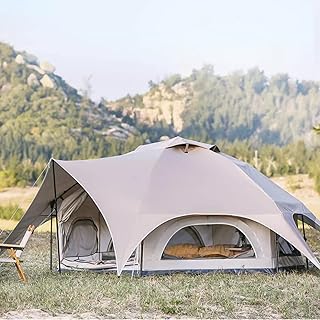
Top Tips for Choosing the Right Camping Tent
Finding the perfect camping tent is essential for an enjoyable outdoor experience in 2026. With advancements in tent technology and various options available, knowing what to look for is crucial. This guide provides expert insights to help you make informed choices based on your specific needs and preferences. Whether you are a seasoned camper or a beginner, these tips will ensure you select a tent that meets your requirements while offering comfort and protection in the great outdoors.
Understanding Tent Types
The first step in choosing a camping tent involves understanding the different types available. In 2026, you will find several categories of tents designed for various camping styles. Knowing the distinctions helps you select a tent that aligns with your outdoor activities.
Backpacking Tents
Backpacking tents are lightweight and compact, making them ideal for hikers who need to minimize weight in their packs. These tents typically accommodate one to two people and can withstand various weather conditions. In 2026, look for options that feature advanced materials that offer durability without adding weight. Brands are innovating with fabrics that are both waterproof and breathable, ensuring you stay dry without overheating.
Family Tents
Family tents are larger, designed to accommodate multiple people, and often come with separate rooms and extra storage space. They are perfect for family camping trips where space and comfort are priorities. In 2026, many family tents include built-in features like screened porches and easy setup designs that can be assembled quickly, even by one person. Look for models that offer good ventilation and rain protection, as these features enhance comfort during your stay.
Four-Season Tents
For those who plan to camp in extreme weather conditions, four-season tents are essential. These tents are designed to withstand snow, strong winds, and heavy rain. In 2026, technology has advanced to provide materials that are not only resilient but also lightweight. When selecting a four-season tent, ensure it has a robust frame and a rainfly that covers the entire tent to prevent water from entering.
People Also Look For:
- Glymnis Pop Up Beach Tent Small for 1-2 Person/Large for 3-4 Person, UV Protection Beach Sun Shelter with Zipper Porch, Portable S...
- Room Air Conditioner,3-Speed Desktop Air Cooler with Light | Evaporative Cooler Wireless Speaker 1L Water Tank with Humidifier for...
- VEVOR Hot Tent for 4 Persons, Camping Tipi Hot Tents with Stove Jack & Inner Tent, Portable Winter Camping Tents with Snow Skirt, ...
- Lifeswell 12 Inch Ground Anchors, 8 Pcs Heavy Duty Tent Stakes, Easy to Install and Reusable, for Camping Tents, Trampolines, Shed...
- Outsunny Double Layer Instant Pop Up Tent with Rainfly, Hexagon 4 Man Dome Tent, Portable Camping Shelter with Sewn-in Groundsheet...
Size Considerations
Choosing the right size camping tent is vital for comfort. In 2026, it is recommended to account for not just the number of occupants but also gear and personal space. A common guideline is to add one additional person to the tent capacity to allow for extra room.
Occupancy and Gear
If you plan to camp with your family or friends, consider how much gear you will bring along. Camping gear can take up considerable space, so it is wise to choose a tent that can comfortably fit everyone and their belongings. For instance, if you are a family of four planning to camp, a six-person tent would be ideal, allowing space for sleeping bags and other essentials.
Weather Resistance
Weather resistance is another critical factor when selecting a camping tent. In 2026, advancements in tent fabric and waterproofing technology have made it easier to find tents that can handle rain and wind effectively. Look for tents that have a high waterproof rating, indicated by the hydrostatic head measurement.
Rainfly and Floor
A good rainfly is essential for keeping you dry during unexpected downpours. Ensure the rainfly adequately covers the tent and extends over the sides. Additionally, the tent floor should be made from a durable material that can resist tears and moisture. In 2026, many tents come with sealed seams, which further enhance waterproofing and prevent leaks from heavy rainfall.
Ease of Setup
In 2026, ease of setup has become a major consideration for many campers. A tent that can be pitched quickly saves time and energy, allowing you to enjoy your camping experience without the hassle of complicated instructions. Look for tents that offer color-coded poles and simple designs.
Freestanding vs Non-Freestanding Tents
Freestanding tents can be set up without stakes, making them versatile for various camping environments. However, non-freestanding tents are often lighter and more compact, suitable for backpacking. Consider your camping style when choosing between these two options. If you prioritize weight and compactness, a non-freestanding tent may be perfect. On the other hand, if you want ease of setup, a freestanding model might be more suitable.
Storage Solutions
Storage options within a tent can greatly enhance your camping experience. In 2026, many tents feature pockets, gear lofts, and vestibules that allow you to organize your belongings efficiently. It is essential to consider how you will store your gear while sleeping, as an organized space contributes to a comfortable environment. Look for tents that provide adequate storage solutions to keep your personal items accessible and off the ground.
- Look for interior pockets for small items
- Consider vestibules for extra gear storage
- Check for gear lofts to maximize vertical space
When embarking on a camping trip, having a well-organized tent can make a significant difference in your overall experience. For 2026, prioritize tents that offer various storage options, allowing you to create a tidy space free from clutter. This attention to detail can enhance comfort and practicality during your outdoor adventures. As you explore different tents, keep in mind how each option aligns with your camping goals and environment.