Secret Strategies for Packing Your Tent Efficiently
As outdoor enthusiasts gear up for exciting adventures in 2026, mastering the art of tent packing becomes essential. Efficiently packing your tent not only saves space but also ensures that your camping experience remains enjoyable and hassle free. This guide will delve into innovative strategies that can transform how you approach packing your tent, making it a quicker and more organized process.
Understanding Tent Components
Before diving into packing techniques, it is crucial to understand the components of your tent. Most tents consist of the outer shell, inner body, poles, stakes, and guylines. In 2026, many campers are opting for lightweight materials and compact designs which can make packing easier. Knowing the purpose and placement of each component allows you to pack them in a way that maximizes space and minimizes damage.
For instance, when you disassemble your tent, lay out each part systematically. This will give you a clear view of how everything fits. The outer shell should be packed last, as it will be the first item you need when setting up at your campsite. Meanwhile, poles and stakes can be packed together to prevent them from getting lost.
Utilizing Compression Sacks
Compression sacks have gained popularity among campers in 2026 due to their ability to minimize bulk. These sacks allow you to compress your tent's fabric into a much smaller size, making it easier to fit into your backpack or car. When packing your tent into a compression sack, ensure that all air is pushed out before sealing it. This not only saves space but also protects your tent from moisture and dirt, extending its lifespan.
People Also Look For:
- Ocean World Play Tent - Under the Sea Adventure Pop-Up Tent for Kids, Indoor Playhouse for Boys & Girls
- Bell Tent 100% Cotton Canvas – All-Season, Waterproof, Weather-Resistant, and Breathable Camping Tents for Glamping, Festiv...
- Bell Tent 100% Cotton Canvas – All-Season, Waterproof, Weather-Resistant, and Breathable Camping Tents for Glamping, Festiv...
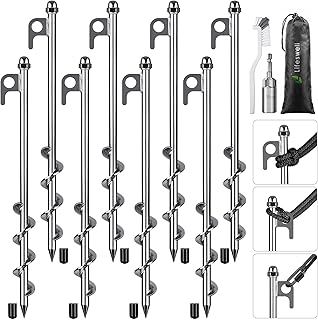
- Lifeswell 12 Inch Ground Anchors, 8 Pcs Heavy Duty Tent Stakes, Easy to Install and Reusable, for Camping Tents, Trampolines, Shed...
- VEVOR Hot Tent for 4 Persons, Portable Winter Tipi Tent with Stove Jack, Waterproof Canvas Camping Tents, Lightweight 4 Season She...
Layering Techniques
Another effective packing strategy is layering. Start by placing the tent footprint or ground sheet at the bottom of your pack. This offers a protective layer and helps keep your sleeping gear dry. Next, roll the inner tent tightly, ensuring there are no air pockets. Place this on top of the footprint, followed by the outer shell. By layering your components in this manner, you create a compact bundle that is easy to handle and transport.
Organizing Accessories and Extras
In 2026, organizing additional camping accessories is just as important as packing your tent. These accessories can include sleeping bags, cooking gear, and personal items. Use smaller bags to categorize these items. For example, designate one bag for cooking utensils and another for personal hygiene products. This strategy not only keeps your gear organized but also makes it easy to find items when you need them.
Employing Packing Cubes
Packing cubes have become a staple for many outdoor adventurers in 2026. They offer a fantastic way to compartmentalize your gear. When packing your tent, consider using one cube for accessories like stakes and guylines, and another for your tent's components. This keeps everything neat and allows for quick access when you arrive at your destination.
Implementing a Checklist
Creating a checklist is a time tested method that can streamline your packing process. Before any camping trip, jot down all the items you plan to bring, including your tent and its accessories. In 2026, there are numerous camping apps that can assist you in creating and managing these lists. Utilize these tools to ensure you do not forget essential items and to track what has been packed.
Strategic Packing Order
The order in which you pack your tent can significantly affect how efficiently you can set up camp. In 2026, many campers are adopting a systematic approach to packing, which involves placing items you will need first at the top of your pack. For instance, if you anticipate needing your tent immediately upon arrival, pack it on top or in an easily accessible pocket. This strategy minimizes hassle and maximizes enjoyment as you transition into your outdoor setting.
Storing Tent Poles and Stakes
Tent poles and stakes can often get tangled or lost if not packed properly. A great strategy is to use a separate pouch for poles, ensuring they are secured and easy to access. For stakes, consider using a small mesh bag that allows dirt to fall out while keeping them contained. This method ensures that you will always have the necessary components at hand when it is time to set up your tent.
Maximizing Space Efficiently
Maximizing space inside your tent is just as crucial as maximizing space in your backpack. In 2026, many tent designs include storage pockets and gear lofts that help keep your items organized within the tent. Take advantage of these features by storing smaller items like headlamps and snacks in the pockets. This not only keeps your living space tidy but also makes it easier to find essentials at night.