Essential Features to Look for in Camping Tents
Choosing the right camping tent can make or break your outdoor experience. With so many options available in 2026, it’s essential to know what features to look for to ensure comfort, durability, and ease of use. In this buyer's guide, we will explore the fundamental aspects to consider when selecting your perfect camping tent.
Size and Capacity
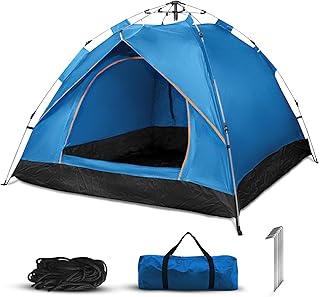
The size of the tent is one of the most important aspects to consider. Tents are often rated by the number of occupants they can comfortably accommodate. When assessing size, think about not only the number of people but also the gear you will be bringing. A good rule of thumb is to select a tent that allows for at least one extra person or a bit of extra space for gear. For family camping, consider a three-person tent for two people and additional gear or a four-person tent for a family of four.
Weight and Portability
If you plan to hike to your camping destination, the weight of the tent becomes crucial. Lightweight options are available that make carrying your gear easier. Typically, backpacking tents are designed to be compact and lightweight, often weighing under two kilograms. Look for tents that come with compression bags to reduce their size further when packed. For car camping, weight is less of an issue, but still consider the ease of setup and transport.
People Also Look For:
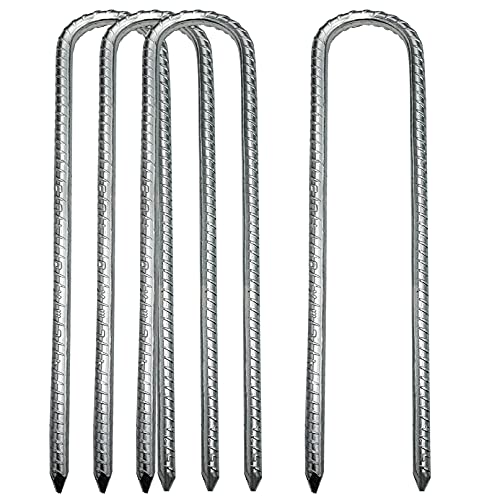
- Ground Stakes Anchors, Tent Nails Pegs Steel Garden Staples Metal Heavy Duty Ground Rebar Stake Landscape Gardening Stake for Camp...
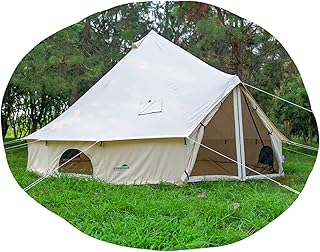
- VEVOR Hot Tent for 4 Persons, Portable Winter Tipi Tent with Stove Jack, Waterproof Canvas Camping Tents, Lightweight 4 Season She...
- Inflatable Camping Tents with Pump, Air Glamping Tents, Easy Setup Waterproof and Windproof Blow up Tent, 4 Seasons Oxford Cabin T...
- 4Pcs Ground Anchors Heavy Duty - 15" Earth Anchor Tent Peg, Spiral Trampoline Anchors with 2 Straps, Steel Ground Stakes Anchor fo...
- Portable Ac Unit | 3-Speed Small Air Cooler with Light - Evaporative Cooler Wireless Speaker 1L Water Tank with Humidifier for Hom...
Weather Resistance
Weather can be unpredictable, so having a tent that can withstand various conditions is vital. Check the tent’s waterproof rating, usually measured in millimetres; a rating above 3000mm is considered good for heavy rain. Look for tents made of polyester or nylon with a rainfly and taped seams to prevent leaks. Additionally, consider the tent's ventilation system to reduce condensation inside when camping in humid conditions.
Ease of Setup
When you arrive at your campsite, you want to spend more time enjoying nature than struggling with tent assembly. Many tents now feature colour-coded poles and quick-setup designs, allowing for simple assembly. Freestanding tents are particularly desirable as they can be easily moved around to find the perfect position. Practice setting up your tent at home before your trip to ensure you know how to do it efficiently in the field.
Durability and Material Quality
The materials used in a tent directly affect its durability and longevity. Look for tents made from ripstop nylon or polyester, which offer excellent tear resistance. The tent floor should be made of a durable material, like polyethylene, to prevent wear and tear. Reinforced corners and strong zippers are also essential to ensure that your tent can withstand the rigours of camping trips over time.
Ventilation
Good ventilation is key to keeping the inside of your tent comfortable and reducing condensation. Look for tents that offer multiple mesh panels and windows that can be opened and closed. Some tents come with additional features such as adjustable vents that help with airflow while keeping out insects. Proper ventilation can significantly enhance your overall camping experience.
Additional Features
Consider any additional features that could enhance your camping experience. Some tents come with built-in storage pockets, gear lofts, or even organisational systems to keep your belongings tidy. Others may have features such as an integrated awning for extra shade or a vestibule for storing shoes and gear outside. Think about what extras could benefit your specific camping style.
Budget Considerations
Finally, set a budget before you start shopping. Quality camping tents can range from affordable options to high-end models with advanced features. While it may be tempting to choose the cheapest option, consider investing in a tent that meets all your requirements and will last for years to come. Look out for seasonal sales or discounts to get the best value for your money.