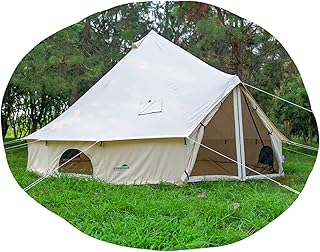
avoiding the pitfalls of poor camping tent setup techniques
Camping can be a delightful escape into nature, yet the enjoyment can quickly fade if your tent setup goes awry. In 2026, many campers still struggle with the intricacies of erecting their temporary homes. This article highlights common mistakes to avoid, providing practical advice to ensure a smooth setup that guarantees comfort throughout your stay.
Choosing the Wrong Location
One of the most common pitfalls is failing to choose an appropriate location for your tent. Avoid setting up on uneven ground, as this can lead to uncomfortable sleeping conditions. Instead, look for a flat, level patch, ideally with some natural ground cover to soften the surface. Additionally, steer clear of areas prone to water pooling, such as depressions or near riverbanks. Always check the weather forecast before heading out, as rain can quickly turn a nice campsite into a soggy mess.
Ignoring the Instructions
Many campers overlook their tent instructions, thinking they can set it up from memory. This can lead to a poorly erected structure, increasing the likelihood of leaks or collapses. Take the time to read the manual carefully before departure. Practice setting the tent up at home if you have the chance; this will familiarise you with the components and help you identify any missing pieces. Understanding the order in which to assemble your tent is crucial for a quick and hassle-free setup.
People Also Look For:
- Lifeswell 12 Inch Ground Anchors, 8 Pcs Heavy Duty Tent Stakes, Easy to Install and Reusable, for Camping Tents, Trampolines, Shed...
- Personal Air Conditioner | 3-Speed Small Air Cooler with Light - Evaporative Cooler Wireless Speaker 1L Water Tank with Humidifier...
- Portable Ac Unit - 3-Speed Small Air Cooler with Light - Evaporative Cooler Wireless Speaker 1L Water Tank with Humidifier for Hom...
- Inflatable Camping Tents with Pump, Air Glamping Tents, Easy Setup Waterproof and Windproof Blow up Tent, 4 Seasons Oxford Cabin T...
- Qisan Hydraulic Dome Tent Automatic Camping Tents 3-4 Person Canopy with Carrying Bag Easy to Set up and Package for Outdoor Garde...
Forgetting to Stake Down the Tent
Some campers neglect to stake down their tents properly, relying solely on the weight of their gear to keep everything in place. This can be problematic, especially in windy conditions. Use all provided stakes to secure your tent firmly to the ground. If the ground is too hard for stakes, consider using rock bags or sandbags to weigh down the edges. Always remember to check your tent's tension; a loose tent can lead to sagging, which may cause water to pool on the fabric during rain.
Not Ventilating the Tent
Another common mistake is not allowing for adequate ventilation. Condensation build-up can create a damp sleeping environment, making for an uncomfortable night. Most tents come with ventilation features, such as mesh panels or adjustable vents at the top. Make sure these are utilised, even during cooler nights. Proper airflow helps to regulate temperature and moisture levels inside the tent, enhancing your overall comfort.
Neglecting Tent Maintenance
Maintaining your tent is vital for its longevity and functionality. Before your trip, inspect the tent for any damage, such as tears or missing poles. Make necessary repairs or replacements beforehand to avoid complications during setup. After each camping trip, clean the tent and ensure it is completely dry before packing it away. Storing a wet tent can lead to mould and mildew, severely compromising its integrity for future use.
Overpacking the Tent
It is essential to remember that less is often more when it comes to packing your tent. Overloading can cause stress on the seams and zippers, leading to potential failures. Additionally, having too much gear inside the tent can hinder movement and make for a cramped space. Consider using a separate waterproof bag for your gear, keeping it outside under a tarp or in the car if possible. This method not only saves space but also helps reduce clutter inside the tent.